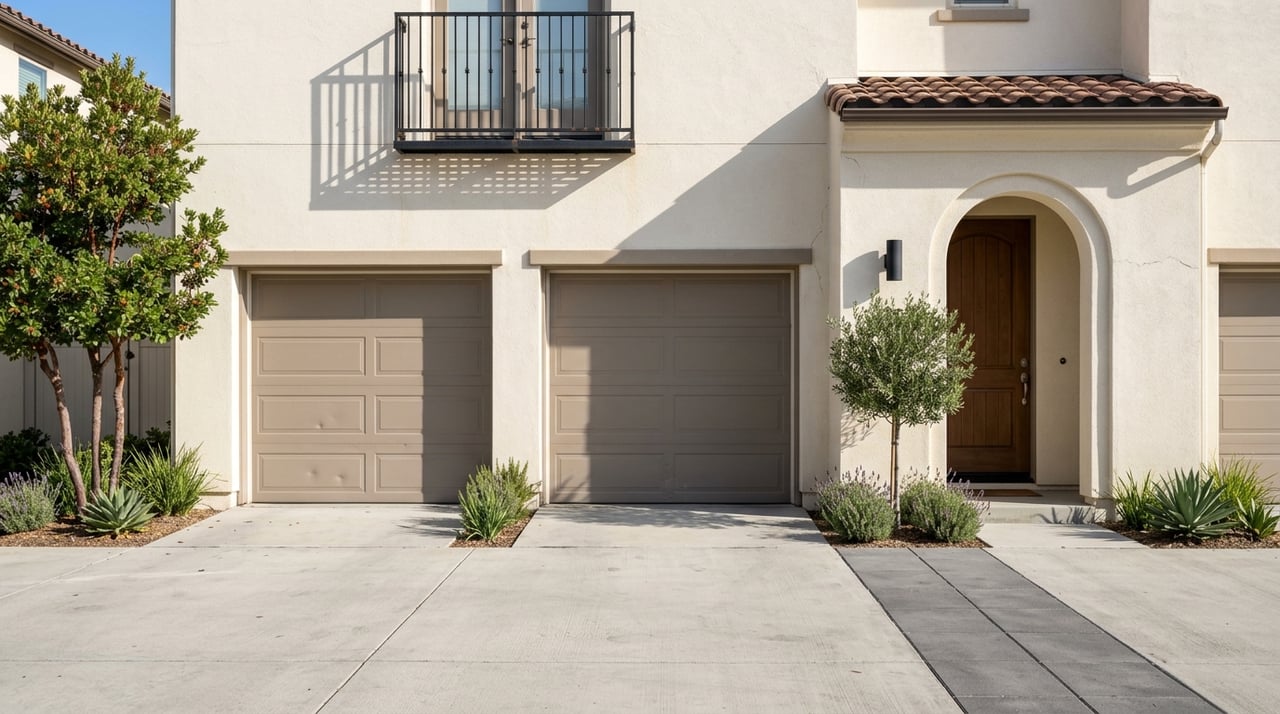
Concord Condo And Townhome Buying Guide For Budget-Minded Buyers
June 25, 2026
June 25, 2026
Wondering if a condo or townhome could be your best path into Concord homeownership? If you are trying to buy without stretching your budget too far, attached homes often deserve a close look. They can offer a lower starting price than many single-family homes, but the smartest choice comes from understanding the full monthly cost, the HOA, and the rules that come with the property. Let’s dive in.
For many budget-minded buyers, condos and townhomes are a practical entry point in Concord. Current market snapshots show condos listed around a median of $315,000 and townhomes around a median of $530,000, while the broader Concord market shows a much higher citywide median sale price of $754,548 over the last three months.
These figures are not a perfect side-by-side comparison because they combine listing and sale data. Still, they help show why many buyers start their search with attached homes when affordability is a top priority.
In Concord, attached homes can also come with amenities that may be harder to find at a similar price point in other property types. Current listings commonly show features like community pools, spas, greenbelts, gated entries, covered parking, attached two-car garages, and private patios.
A lower list price does not always mean a lower cost of ownership. With condos and townhomes, you need to look beyond the mortgage payment and review the full monthly picture.
A realistic affordability check should include:
This is where many first-time buyers get surprised. A home with a lower purchase price can become the more expensive option over time if dues are high or if the association is not financially prepared for major repairs.
Most condos and many townhomes in California are part of a common interest development. When you buy in one of these communities, membership in the homeowners association is automatic.
The HOA usually operates through a board elected by homeowners. Many associations also hire a management company to handle day-to-day operations.
The main rules are usually found in the CC&Rs, which stands for Covenants, Conditions, and Restrictions. These documents explain how the community is governed, what counts as common area, how assessments are collected, what insurance responsibilities apply, and what architectural or use rules owners must follow.
The board is responsible for budgeting and keeping the association financially operating. If regular dues are not enough to cover major repairs, replacement projects, new construction, or unexpected costs, the HOA can levy a special assessment.
It is easy to focus on today’s monthly HOA number and stop there. In reality, the better question is whether that number looks sustainable.
California law places some limits on assessment increases. In general, a board may not raise regular assessments by more than 20% or impose special assessments that exceed 5% of budgeted gross expenses for the year without member approval.
That protection matters, but it does not remove risk. If reserves are thin and a major repair is coming, monthly costs can still rise over time.
Current Concord listings show HOA dues ranging from the mid-$300s to the low-$500s per month in sample properties. That range is a good reminder that dues are community-specific, not standard across the city.
In California, sellers in common interest developments must provide a disclosure package before closing or contract execution. For a budget-minded buyer, these documents are one of the most important parts of due diligence.
Be sure to review:
These records can tell you much more than the listing ever will. They help you understand not just what you are buying today, but what the ownership experience may look like over the next few years.
If you only dig into one financial area, make it reserves. Reserve documents help show whether the HOA is setting aside enough money for major future repairs and replacements.
California requires reserve studies to be reviewed every year and updated at least every three years. The reserve summary should show the estimated replacement cost of major components, how much money has actually been set aside, the percentage funded, and the per-unit reserve deficiency.
This is one of the clearest tools for judging whether dues seem healthy or whether future increases may be more likely. For buyers trying to stay on budget, that insight can be just as important as the sales price.
Concord attached homes often include parking benefits, but the details matter. One property may offer deeded spaces or a private garage, while another may rely on assigned parking, guest parking, or shared rules that affect everyday convenience.
The City of Concord notes that parking and vehicle storage issues on private property, including condo and apartment lots, are handled by the property manager, who can authorize towing. That makes it especially important to confirm how overnight parking, guest parking, storage, and enforcement work in the community you are considering.
Useful questions to ask include:
These details may sound small during a showing, but they can make a big difference in daily life after closing.
Pools, spas, greenbelts, gated entries, and patios can add a lot of appeal. They can also affect the HOA budget and your monthly dues.
That does not mean amenities are bad for affordability. It simply means you should weigh whether the value they add to your lifestyle matches the cost they add to ownership.
For some buyers, covered parking or a two-car garage may be worth paying more each month. For others, a simpler community with fewer shared features may fit the budget better.
If you own an electric vehicle or expect to in the future, bring that up before you write an offer. California law provides important protections here.
A governing document that unreasonably restricts an EV charging station in an owner’s unit or designated parking space, including deeded or exclusive-use spaces, is void and unenforceable. Approval must be handled like an architectural application, and if it is not denied in writing within 60 days, it may be deemed approved.
Even with those protections, it is still smart to ask how the HOA handles installation requests, parking-space access, and any related building requirements.
Attached-home buyers should plan for insurance as part of the real monthly cost stack. For condos, unit-owner insurance generally covers personal property, loss of use, personal liability, and interior improvements, while the HOA typically insures the building structure and common areas.
Loss assessment coverage can also matter because the HOA may assess owners after a covered loss. That is one reason it helps to understand both your own policy needs and the association’s insurance setup.
It is also important to know what standard policies do not cover. Standard homeowners and condo policies do not cover earthquakes, floods, or landslides, and earthquake insurance is typically a separate purchase.
If you are considering a newly built condo or townhome, there is another key document to review. In California, a developer must obtain a Department of Real Estate public report before marketing a new subdivision.
That report includes material disclosures such as the CC&Rs, HOA costs and assessments, and common-area maintenance information. For a buyer comparing monthly costs, that can be an important early source of clarity.
If you want to keep your purchase affordable over the long run, focus on the basics and stay consistent. A careful review now can help you avoid expensive surprises later.
Use this checklist as you compare condos and townhomes in Concord:
The goal is not just to find the lowest sticker price. The goal is to find the home that fits your budget comfortably and stays manageable over time.
If you want a clear, patient approach to comparing condos and townhomes in Concord, Hayley Hagen can help you sort through pricing, HOA details, and the day-to-day factors that really affect affordability.
Stay up to date on the latest real estate trends.


Hayley Hagen offers a level of local knowledge and personalized service that sets every client up for success. Whether you're buying, selling, or investing, Hayley delivers a seamless experience backed by strong communication and results you can trust.

Hagen, Hayley Marissa | CA DRE# 02181946
Twin Oaks Real Estate Inc | CA DRE# 01845706
231 First St, Benicia, CA 94510