What It’s Like To Live In Richmond, CA
May 28, 2026
May 28, 2026
Wondering if Richmond, CA could be the right fit for your next move? If you want Bay Area access, waterfront scenery, and a more approachable price point than many nearby cities, Richmond often stands out for practical reasons. It offers a mix of shoreline living, established neighborhoods, and strong transit connections, all in a city with a distinct history and a very real day-to-day character. Let’s dive in.
Richmond is a mid-sized Bay Area city with about 114,861 residents as of July 1, 2025. It sits on a peninsula between San Francisco Bay and San Pablo Bay, about 16 miles northeast of San Francisco, with 32 miles of shoreline.
Richmond is also the largest city in West County and an important regional transportation hub. Downtown connects to I-80, I-580, BART, AC Transit, and Amtrak, which gives the city a level of accessibility that many buyers and renters are looking for.
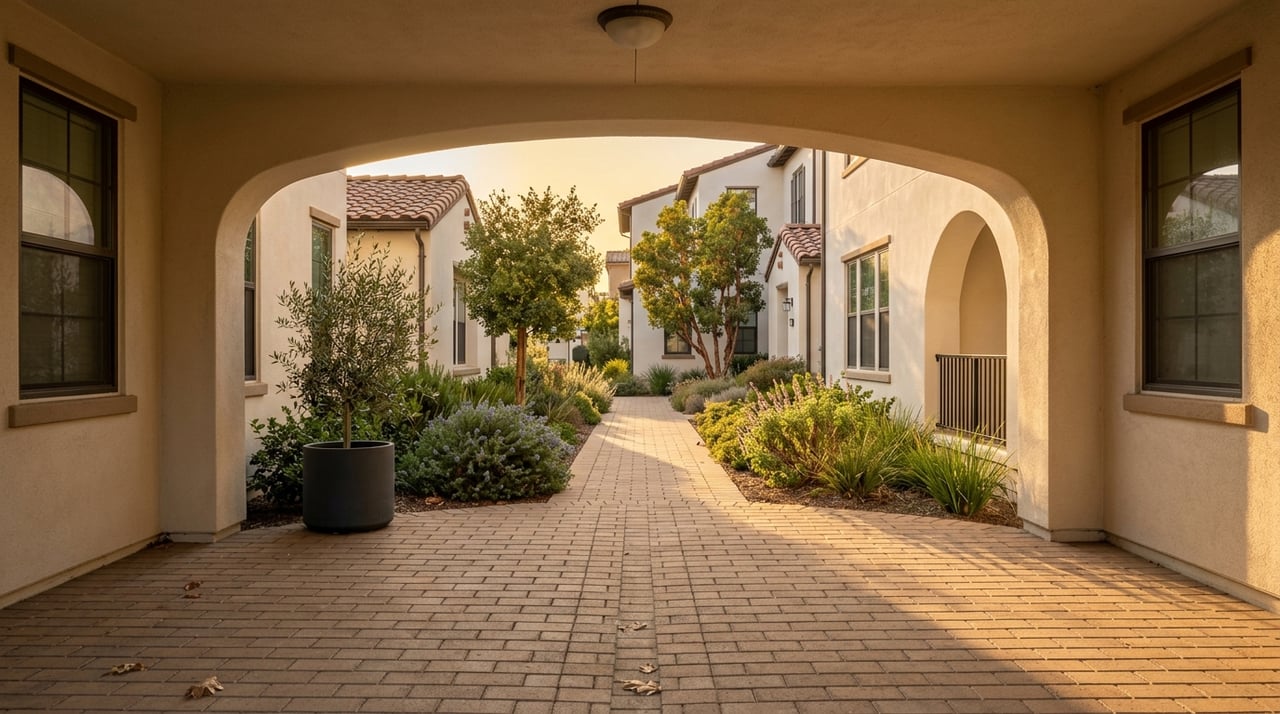
Living in Richmond means getting a blend of old and new. You will find older neighborhood streets, waterfront development, and an industrial-port backdrop that is part of the city’s long history.
That mix gives Richmond a practical, lived-in feel rather than a polished, uniform one. For many people, that is part of the appeal. The city can feel grounded, connected, and useful for everyday life.
Richmond also has local shopping and dining spread through neighborhood areas instead of centered in a single downtown district. The city highlights 23rd Street as a key area for dining and shopping, which points to an everyday lifestyle built around local errands and neighborhood stops.
One of the biggest advantages of living in Richmond is how easy it can be to enjoy the shoreline. If being near the water matters to you, Richmond gives you more access than many buyers expect.
Marina Bay is Richmond’s best-known waterfront residential area. The city describes it as a 350-acre master-planned waterfront community with residential units, restaurants, a marina, lagoons, parks, and waterfront promenades.
For residents, that can mean simple daily perks like bay views, walking paths, and outdoor space close to home. It is one of the clearest examples of how Richmond combines housing with shoreline access.
Richmond also offers a strong lineup of outdoor destinations. Official city visitor materials highlight Miller/Knox Regional Shoreline, Point Pinole Regional Shoreline, Pt. Molate Beach Park, the San Francisco Bay Trail, the Richmond Greenway, and routes like Ferry Point Loop and Shipyard 3.
If you like walking, biking, picnicking, or birding, those options can make a real difference in your weekly routine. Richmond’s shoreline is not just scenic. It is part of how many residents actually spend their free time.
For Bay Area commuters, Richmond’s connectivity is one of its strongest selling points. Whether you drive, take rail, or prefer a car-light setup, the city offers several ways to get around.
The Richmond BART Station is located at 1700 Nevin Ave. in 94801. From there, BART serves Richmond, Oakland, Berkeley, San Francisco, and other East Bay cities.
AC Transit also serves Richmond and includes transbay service to San Francisco. Richmond has a ferry terminal at 1453 Harbour Way S, and the current route schedule shows daily service to Downtown San Francisco with about a 35-minute ride.
The downtown transit center also includes Amtrak service for regional and long-distance rail travel. If you want flexibility in how you commute, Richmond gives you several realistic options.
If you drive, Richmond has direct access to I-80 and I-580. The Richmond-San Rafael Bridge also connects the city to Marin, which adds another layer of regional convenience.
According to the city, Richmond is about 20 minutes from Oakland and about 35 minutes from San Francisco by freeway, traffic permitting. Census data lists a mean commute time of 34.2 minutes, which reflects Richmond’s role as a well-connected Bay Area commute city.
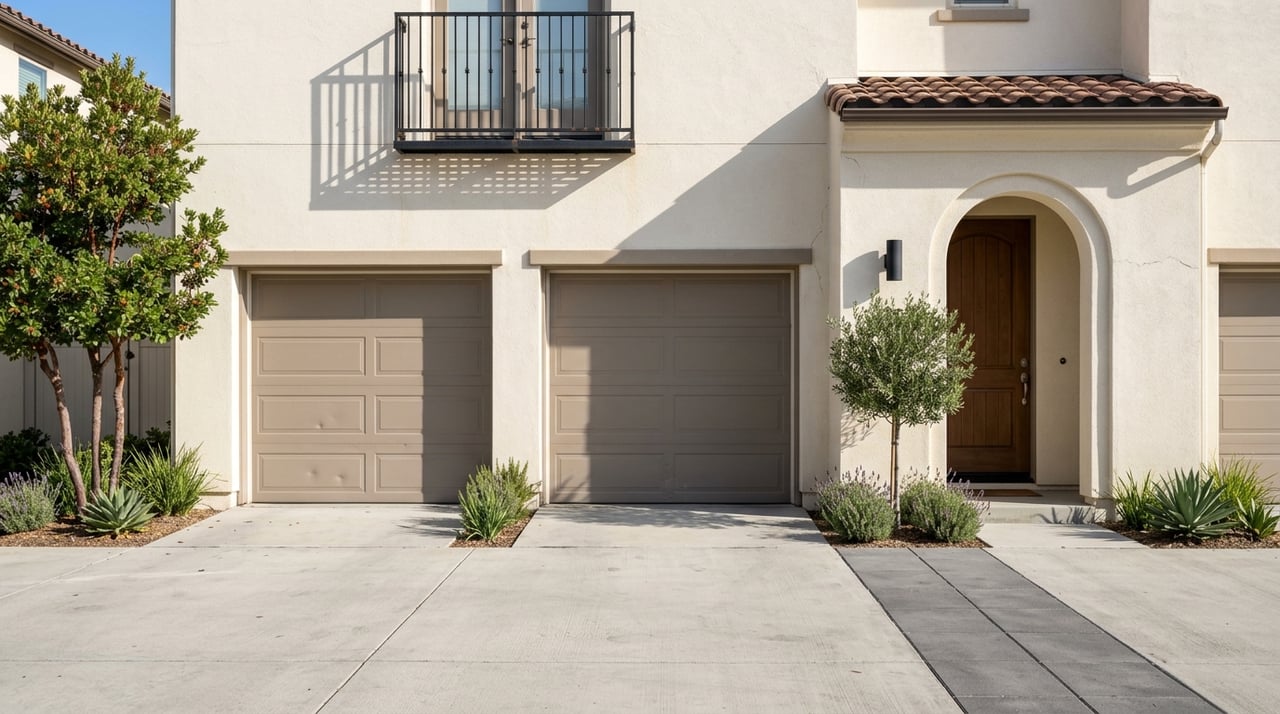
Richmond’s housing stock is varied, but detached single-family homes still make up the largest share. City data shows 59.5% of housing units are one-unit detached homes, while 8.6% are one-unit attached and 11.0% are in buildings with 20 or more units.
That means you may find a broad mix of property types, including single-family homes, condos, townhome-style options, and larger multifamily buildings. This variety can be especially helpful if you are trying to balance budget, space, and commute needs.
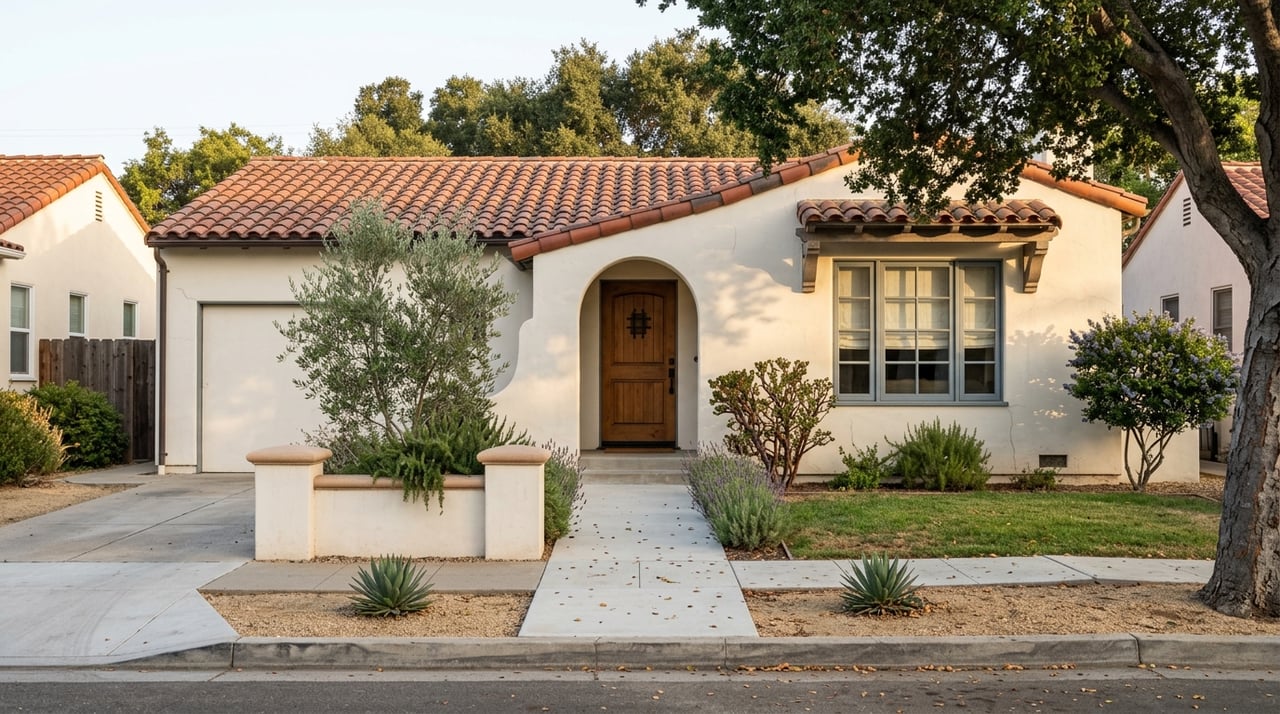
Richmond has many older homes, with large shares built in the 1940s and 1950s. In practical terms, that means much of the housing inventory is established rather than brand new.
Bedroom counts also lean toward practical layouts. City data shows 31.4% of homes have two bedrooms and 32.7% have three bedrooms, which makes Richmond a market many buyers consider when they want functional space without jumping into the price ranges seen in some nearby cities.
One reason Richmond stays on many buyers’ shortlists is value. By Bay Area standards, it can offer a more attainable entry point.
In March 2026, Redfin reported a median Richmond home sale price of $650,000. That compares with $870,000 in Oakland, $1.6 million in Berkeley, and $1.7 million in San Francisco County.
Census QuickFacts puts Richmond’s 2020-2024 median owner-occupied housing value at $668,200. Median gross rent was reported at $1,960, and the owner-occupied rate was 54.7%.
For first-time buyers, renters planning ahead, and commuters priced out of nearby markets, Richmond can make the numbers feel more workable. It may not be inexpensive in an absolute sense, but it often looks more approachable next to Berkeley or San Francisco.
Richmond tends to appeal to buyers and renters who want access and function. If your priorities include transit, shoreline access, and a more realistic Bay Area price point, Richmond may be worth a closer look.
It can be especially appealing if you are:
At the same time, Richmond may not feel like the right match if you want a city with a highly polished, uniform atmosphere. Its port, freeway, and industrial history are still visible parts of the landscape.
Richmond has a strong public-history identity that adds depth to daily life. The Rosie the Riveter/World War II Home Front National Historical Park is based in Richmond and includes a waterfront Visitor Education Center plus more than 20 historic places of interest around the city.
That historic presence gives the city a sense of place that goes beyond housing and commute times. If you value a location with roots and stories, Richmond offers that in a very direct way.
The city also lists community resources across town, including Auditorium Branch Library, Bayview Branch Library, West Side Branch Library, and the Point Richmond Community Room. These kinds of public spaces can matter more than people expect when you are choosing where to live.
Richmond is a practical Bay Area city with real strengths. You get shoreline access, strong transit options, and a more approachable home price than many nearby markets, all within a community that feels established and connected.
It is not a one-note city, and that is important to understand. Richmond combines waterfront living, local neighborhood amenities, and visible industrial history, which creates a day-to-day experience that feels useful, active, and distinctly local.
If you are weighing Richmond against other East Bay cities, it helps to look past labels and focus on what your everyday life would actually feel like. For many buyers, that is exactly where Richmond starts to make sense.
If you are exploring Richmond or nearby East Bay communities and want clear, local guidance, Hayley Hagen can help you compare neighborhoods, understand your options, and move forward with confidence.
Stay up to date on the latest real estate trends.



Hayley Hagen offers a level of local knowledge and personalized service that sets every client up for success. Whether you're buying, selling, or investing, Hayley delivers a seamless experience backed by strong communication and results you can trust.

Hagen, Hayley Marissa | CA DRE# 02181946
Twin Oaks Real Estate Inc | CA DRE# 01845706
231 First St, Benicia, CA 94510